








How to garden sustainably

Pip Probert, designer of the Fostering is For You show garden, sponsored by Tusla Fostering, at Bord Bia Bloom 2025, shares her top tips creating a sustainable garden that attracts wildlife and nurtures nature.
1. Provide food for nature
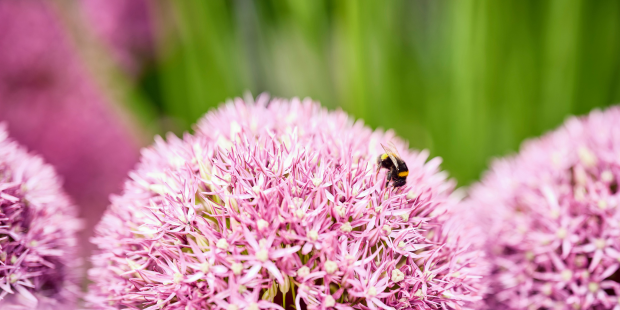
Choose pollinator-friendly plants and watch beneficial insects flock to your garden.
Berry producing plants and trees, such as Hawthorn, are also a great way to entice wildlife. Birds are used to eating them and will visit your garden more frequently.
2. Plant a tree
Not everyone has the room, but if you can, why not plant a tree? Gardens with trees are proven to be more inviting to wildlife, they provide shade, and they can also help to reduce noise pollution. A win for all.
3. Be wild
Many people like to keep their surrounding environment clean and tidy, whether that be in the house or in the garden, but an overly manicured space leaves little room for wildlife. If you allow a section of the garden to become overgrown and let nature takes its course, you will provide the perfect environment for pollinators and invertebrates.
4. Provide shelter
Give nature a helping hand and provide some man-made shelters through bird boxes, bug hotels, hedgehog homes, or even beehives. These can be bought ready-to-go or you can easily make your own – you’ll find plenty of helpful tutorials online.
5. Reduce waste
It is easy to create unnecessary waste while gardening but rather than allowing it, try to find environmentally friendly alternatives. For example, rather than using the tap, why not collect rainwater in a water butt? Instead of binning fallen leaves, why not store them in a quiet corner to provide a warm winter refuge for small animals? Once decomposed, you’ll be left with a natural leaf mould which is a perfect natural fertiliser.
Making your own fertiliser is a great way to utilise waste products. As well as decomposed leaves, you can use everything from leftover food to pulled-up weeds and grass cuttings. Soaking weeds in a container for a few weeks will create a nutrient-rich solution that can be used to water plants.
6. Get composting
Composting is the most natural and beneficial thing we can do for our gardens, it’s great for the environment and it will result in amazing nutrient-rich soil.
7. Improve access
Modern gardens tend to be enclosed with larger walls and fences which make it very difficult for ground-dwelling creatures to get around. Hedgehogs only need a gap of 13cm to get in and out of your garden. Consider a small hole in the fence or gap in the hedge to help allow them to move freely.
8. Add a splash of water
Natural water features can make a real difference. A pond provides a home for amphibians and insects, as well as a very important drinking and bathing place for birds and mammals.
9. Choose eco materials
Where possible, limit the amount of hard surfaces in your garden. Water run-off from hard surfaced areas in driveways and gardens in towns and cities causes localised flooding and affects wildlife significantly. Opting for permeable surfaces, such as gravel chippings, will help to reduce this issue. Design these areas so that they drain into a lawn or flowerbed as this will help utilise the water collected.
Purchasing green materials sourced and made by the local community will also improve the sustainability of your garden. By shopping local and buying locally made, you can reduce air miles and lower your carbon footprint.
10. Cut back on chemicals
Use natural methods to combat pests and diseases. Knock greenfly off plants with strong jets of water, use cooper slug rings, add nets to protect from caterpillars, and attract wildlife – they will help to keep the more destructive insects under control.
Try companion planting; planting certain plants together can help to repel pests and diseases. For instance, planting onions and chives around roses helps to combat black spot. The smell of French marigold can keep aphids away from tomatoes.
Finally, instead of chemical weedkiller, spread a two-to-three-inch layer of compost or bark chippings. This also conserves water and helps to keep roots snug during winter.

Pip Probert is an award-winning garden designer with more than 50 show garden awards to her name. Her Fostering Is For You show garden for Tusla Fostering won a silver medal and the People’s Choice Award at Bloom 2025. You can see a 360° view of the garden here. For more of Pip’s work, visit pipprobert.co.uk and follow her @pipprobertgardendesigner.